


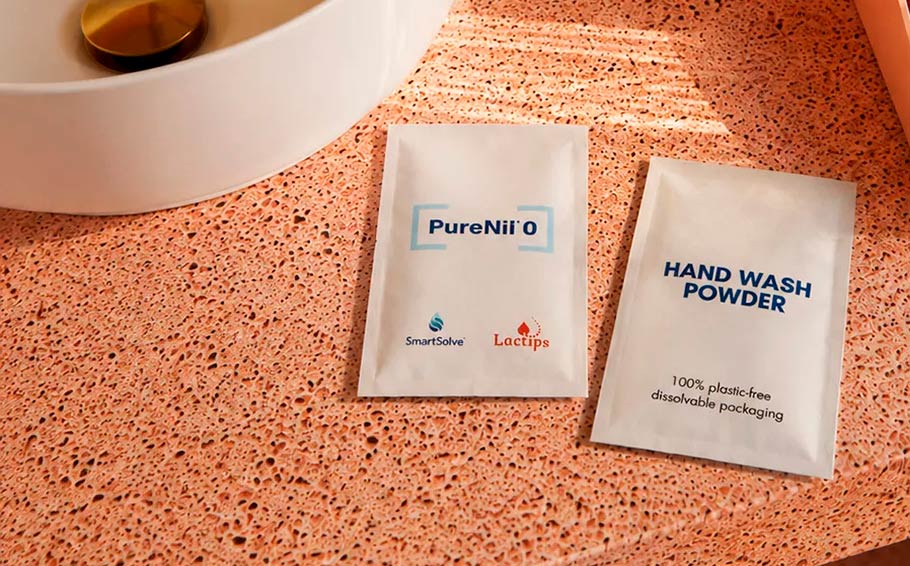
French company Lactips and American company SmartSolve have joined forces to develop water-soluble packaging for cosmetics and personal care products, designed to replace traditional plastic disposable sachets.
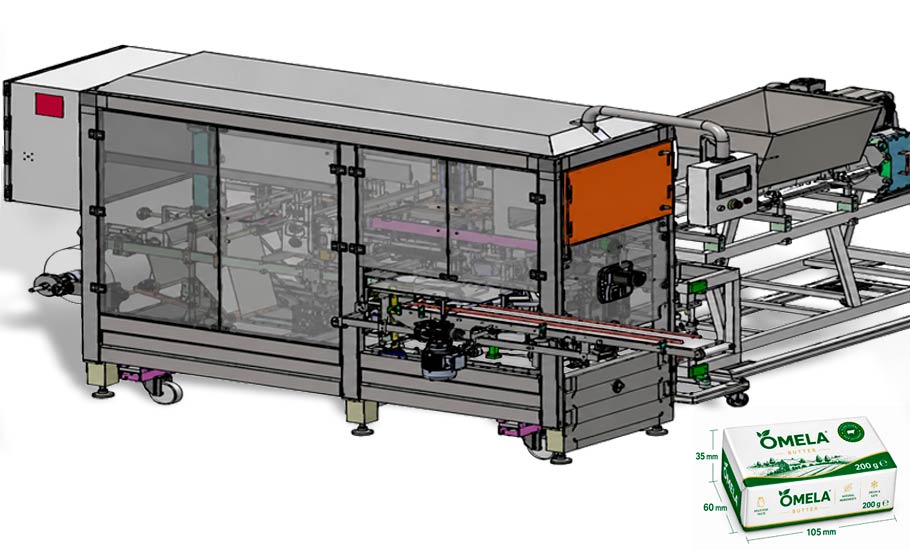
A dairy producer recently contacted OMELA with a request to supply equipment for packaging butter into 180g and 200g foil-wrapped briquettes. The main issue with the request was the high price of specialized European equipment, which significantly exceeded the project's budget.
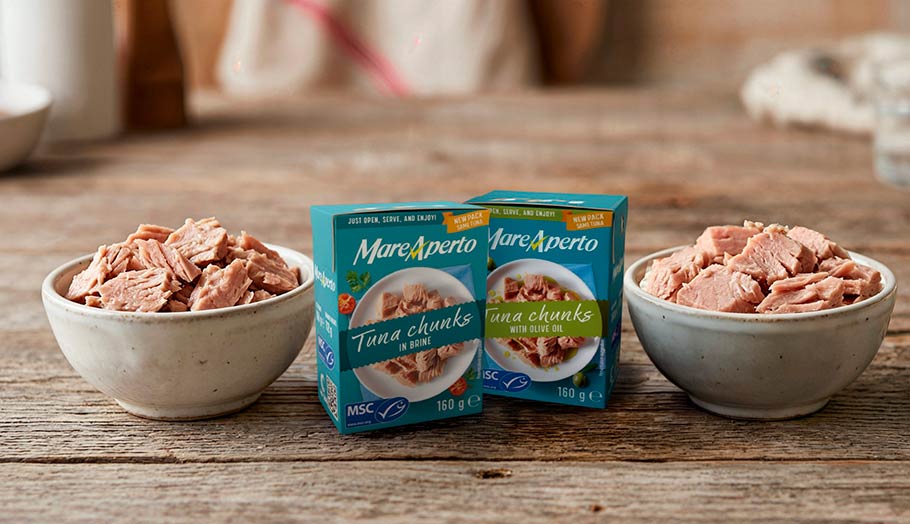
Is there a substitute for a tin can? It seems there isn't. And why bother, you might ask. But if you think about it, despite all its advantages, this packaging isn't without its drawbacks. These drawbacks become apparent as soon as an interesting alternative appears: a cardboard box.
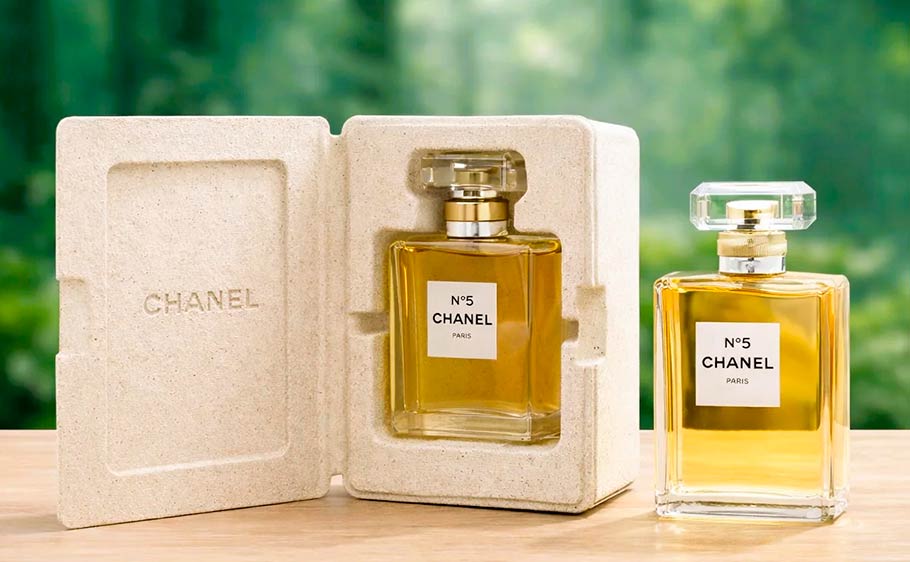
Molded wood fiber packaging has been considered an excellent alternative to plastic molds for several years now. And it has indeed replaced plastic for many products. However, the question of alternatives to wood has also arisen, as we've become overly reliant on it in packaging. Therefore, Z1RO's development is already worthy of attention.
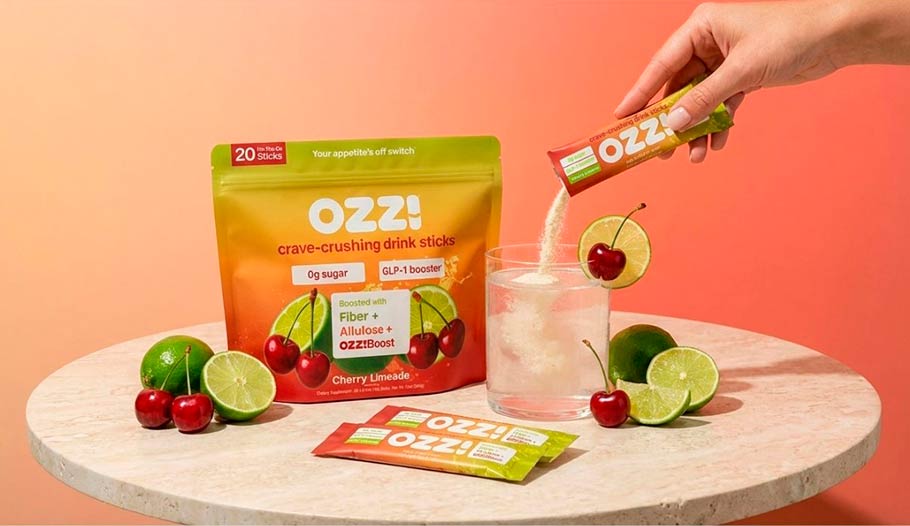
Many powdered products are packaged with moisture. This reduces the product's shelf life and necessitates the addition of desiccant sachets. However, even adding a desiccant doesn't completely solve the problem. For this reason alone, ProAmpac's solution is worth considering.
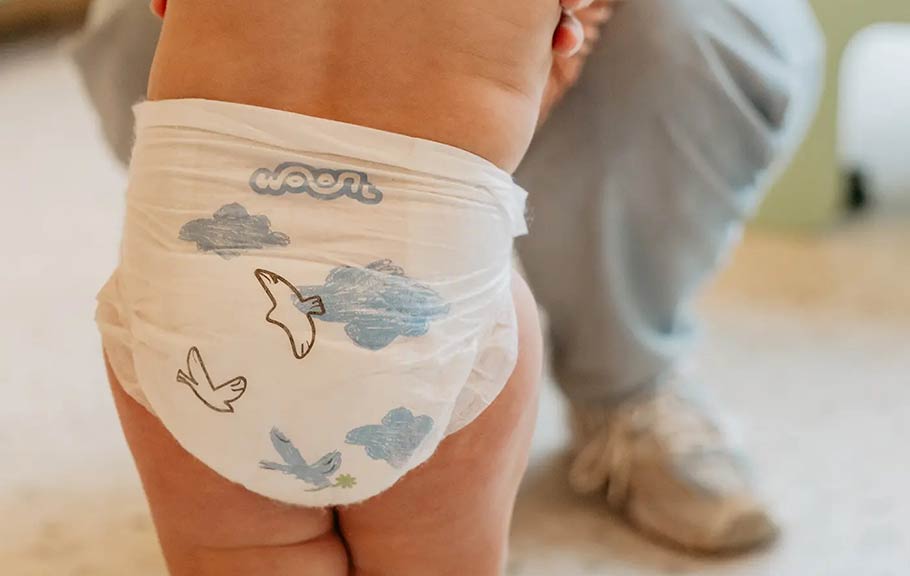
What could be less recyclable than used baby diapers? Indeed, despite their enormous production volumes, they're a prime example of the linear economy: used once and sent to a landfill or incinerator. Meanwhile, they contain valuable nonwoven materials and polyolefin-based films.
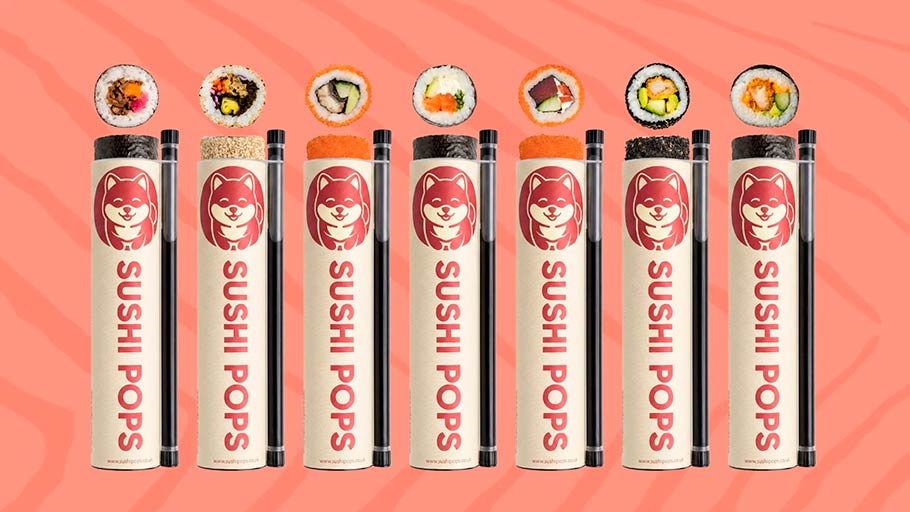
Is it possible to eat sushi on the go? It seems that this dish, despite its universal popularity, isn't exactly the kind of fast food that's convenient to eat on the go. Many would even say it's completely impossible. However, a little imagination and creativity can make all the difference.