


There's a lot of news being published these days, including by us, about new developments aimed at replacing traditional plastics. However, we see minimal changes on the shelves. Readers get the impression that all new developments quietly die after their debut. However, this isn't the case. And today we decided to share with you news that confirms this.
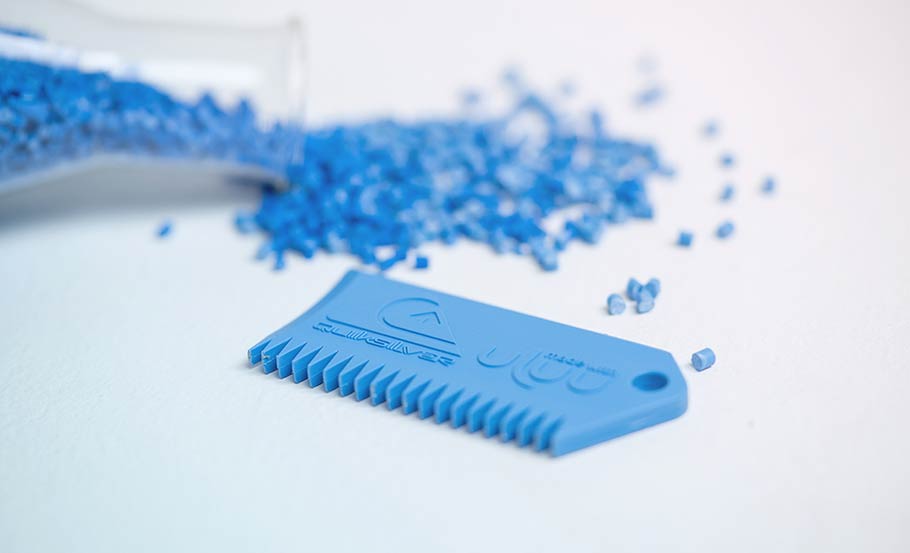
Recently, the Australian company Uluu, which has developed bioplastics from seaweed, received a major investment of over $10 million to build a demonstration plant. This will allow the company to scale up bioplastic production from 100 kg/year to 10 tons/year. And lest you think Australia is far away, the investors are primarily European companies.
Uluu materials are comparable in properties to conventional plastics and can be recycled using existing equipment. They are also compostable at home and biodegradable in the marine environment without releasing microplastics. To top it all off, the production technology absorbs more CO2 than it emits.
Uluu already partners with a number of major companies in the cosmetics and automotive industries, and will now have the opportunity to produce truly significant volumes for its clients.
This example is not isolated, and it clearly demonstrates that the global replacement of traditional plastics in packaging with other materials is only a matter of time. And the time for change is approaching ever faster.
Materials from the website uluu.com.au were used.