


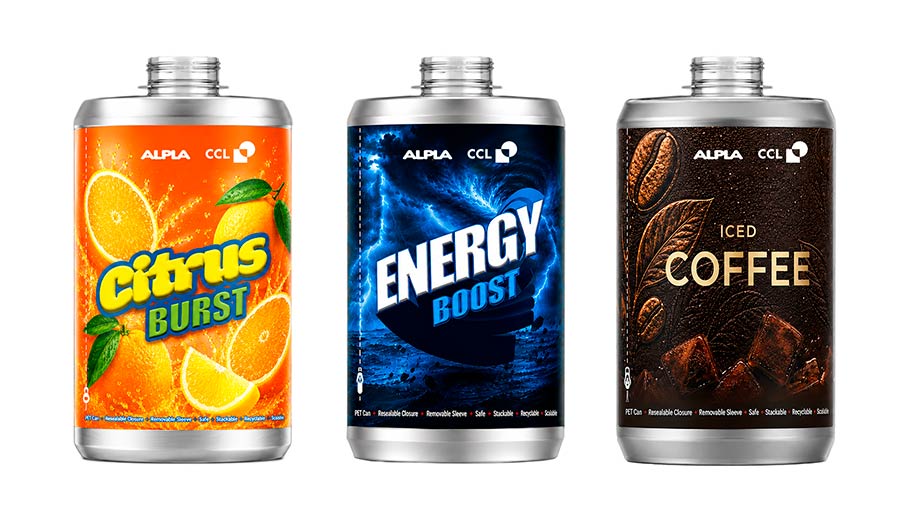
Let’s be honest—we all like drinking from aluminum cans. Yes, it’s inconvenient because you can’t reseal them, it’s not hygienic, and it costs more than a standard PET bottle, but there is a certain magic, style, and chic to cans. Your hand just naturally reaches for one.
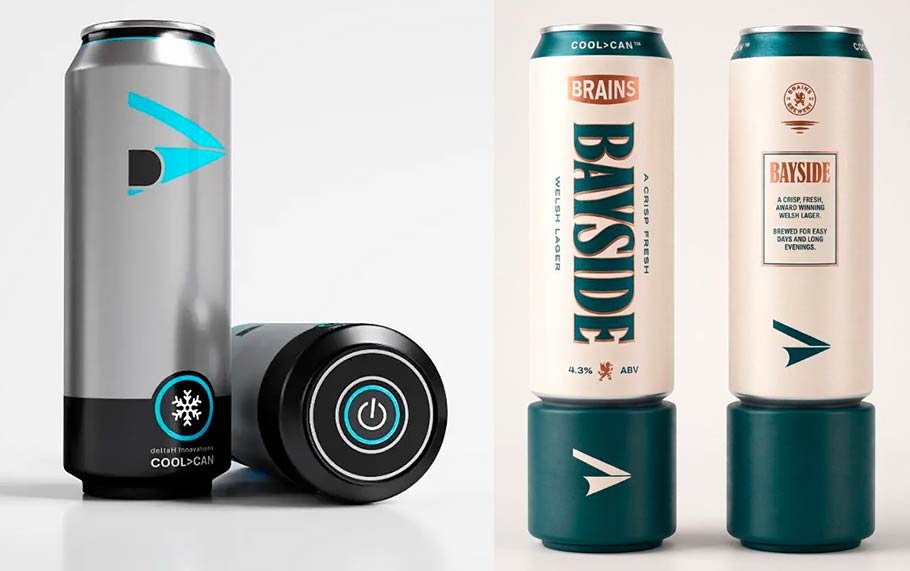
It feels like the perfect moment to shout, "Hurrah! Finally!"—though, of course, we won't actually shout; instead, we’ll simply tell you about this new product, which is already ready for mass production. This unique innovation, known as Cool>Can, was introduced to the market by the British startup deltaH Innovations. While the launch actually took place last year, the technology has only now been patented and readied for scalable production and integration into existing manufacturing lines.
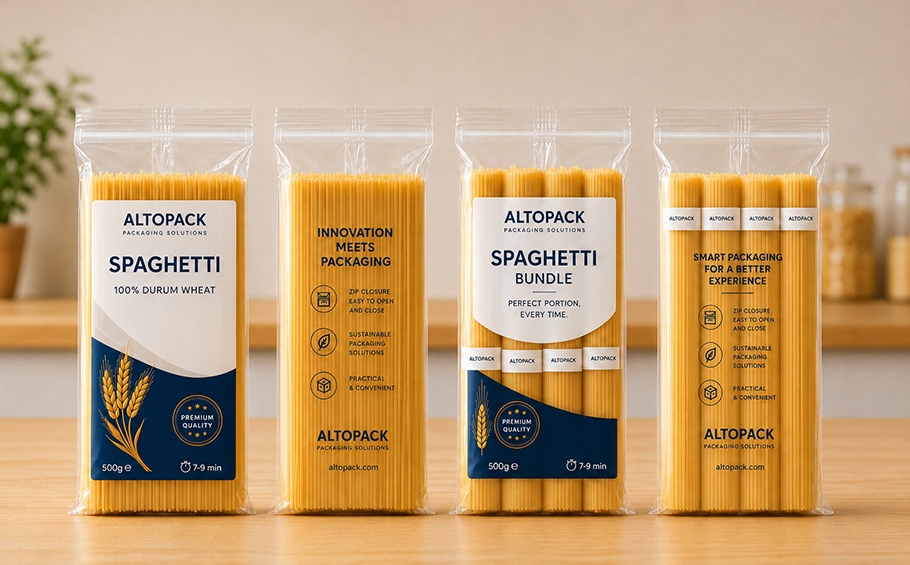
In fact, this news story could have been summed up with just the headline—it almost completely sums up its content. However, there are still a few nuances we'd like to highlight, so we encourage those interested to read on.
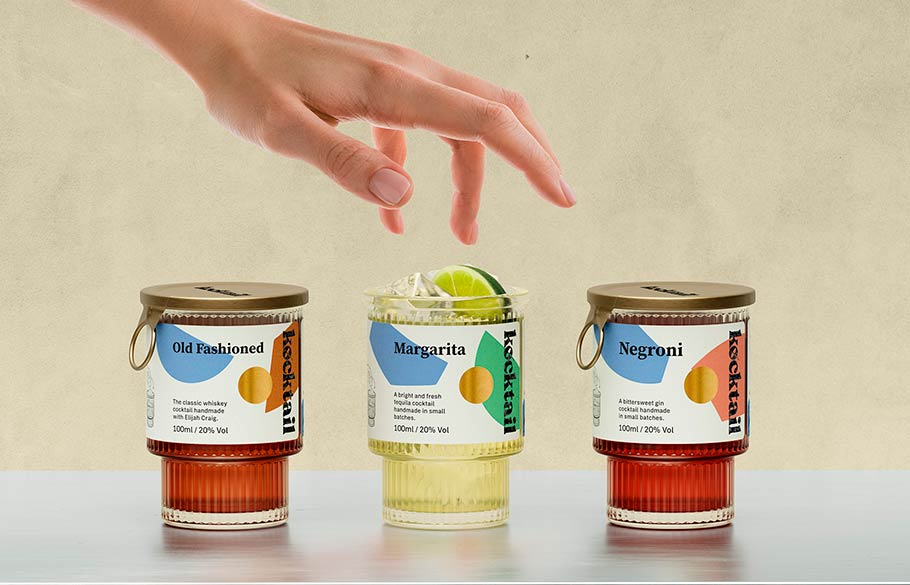
Ready-to-drink alcoholic cocktails have been very popular for many years. We often see them on store shelves, bottled or in aluminum cans. However, this familiar and everyday packaging has one drawback: it loses the cocktail's festive atmosphere, the spirit of chic and relaxation, and the aesthetic pleasure of a beautifully decorated drink.
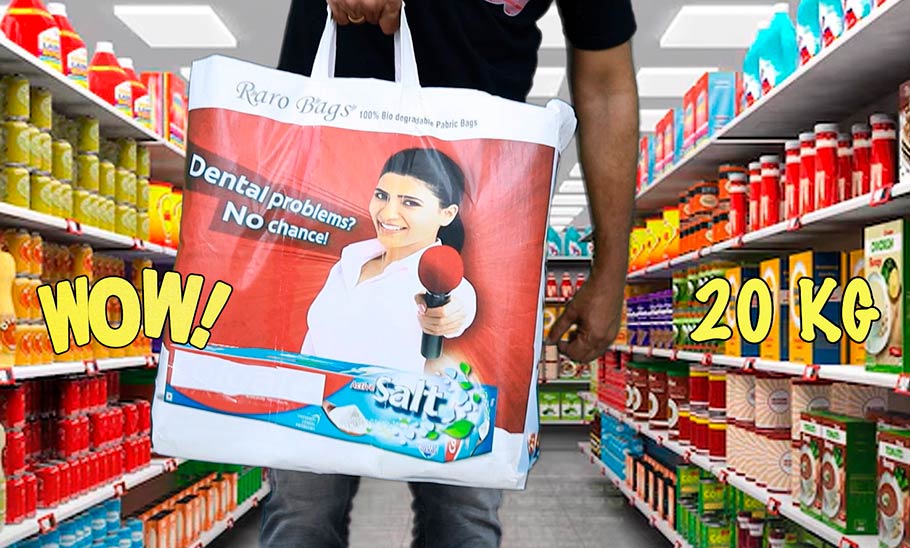
Can a paper bag really be strong? Can a plastic-free bag hold 10 or 20 kg without breaking? Now Raro International can answer these questions – yes.
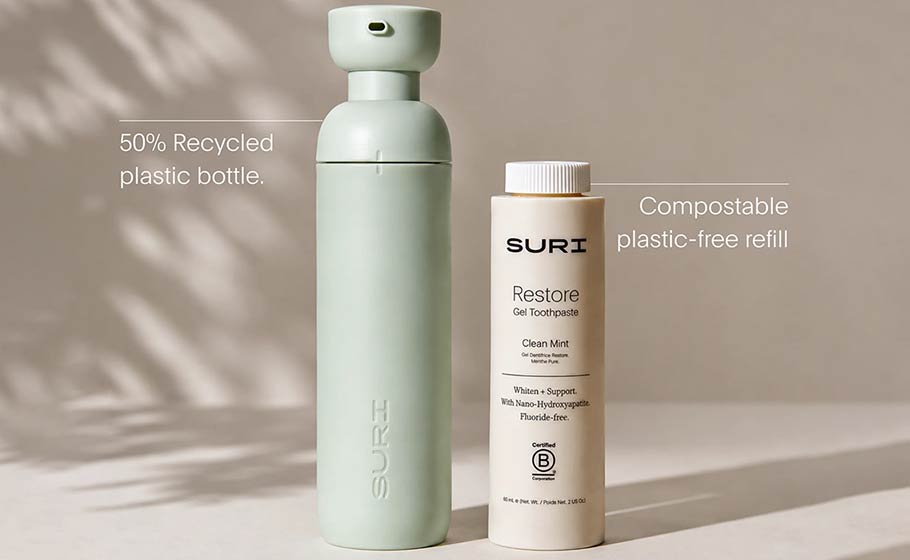
Toothpaste is a product we can hardly imagine without its familiar disposable tube. It's even more difficult to imagine toothpaste in reusable packaging. But that's exactly what I'd like to talk about now.
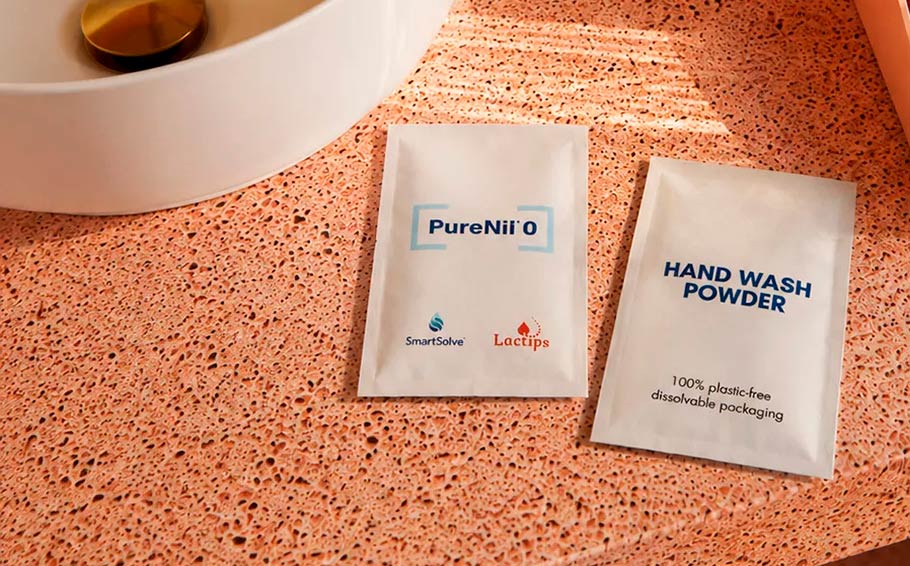
French company Lactips and American company SmartSolve have joined forces to develop water-soluble packaging for cosmetics and personal care products, designed to replace traditional plastic disposable sachets.